Sauna health benefits: Why is the sauna good for you?
Sweaty. Spiritual. Soul-soothing. Sauna isn’t a trend—it’s centuries of Nordic wisdom, now enjoying a global revival. So what’s behind its lasting appeal?
Read moreFinnish doctor and bestselling author Dr. Emilia Vuorisalmi shares her tips on how to use a sauna to reduce stress, boost energy, and reconnect with yourself and others.
The sauna is more than a wellness trend; it’s a space of safety, connection, and balance, and has been used by Finns in this way for centuries. Dr. Emilia - a Finnish medical doctor, bestselling author, and pioneer in hormonal health and well-being - connects ancient wisdom with modern science, and shares her tips on how to get the most out of your sauna experience.
Inside the sauna, time slows. It creates a unique sense of safety and stillness, helping you to unwind and sleep better. The warmth and quiet signal the nervous system to relax, says Dr. Emilia. She describes using the sauna during a particularly stressful time in her life: “I felt like the sauna was the only place to truly relax. For us Finns, it might be a transgenerational thing that sauna signals we’re safe”. That sense of safety, she says, is what allows true recovery because it naturally boosts serotonin, which is crucial for emotional stability.
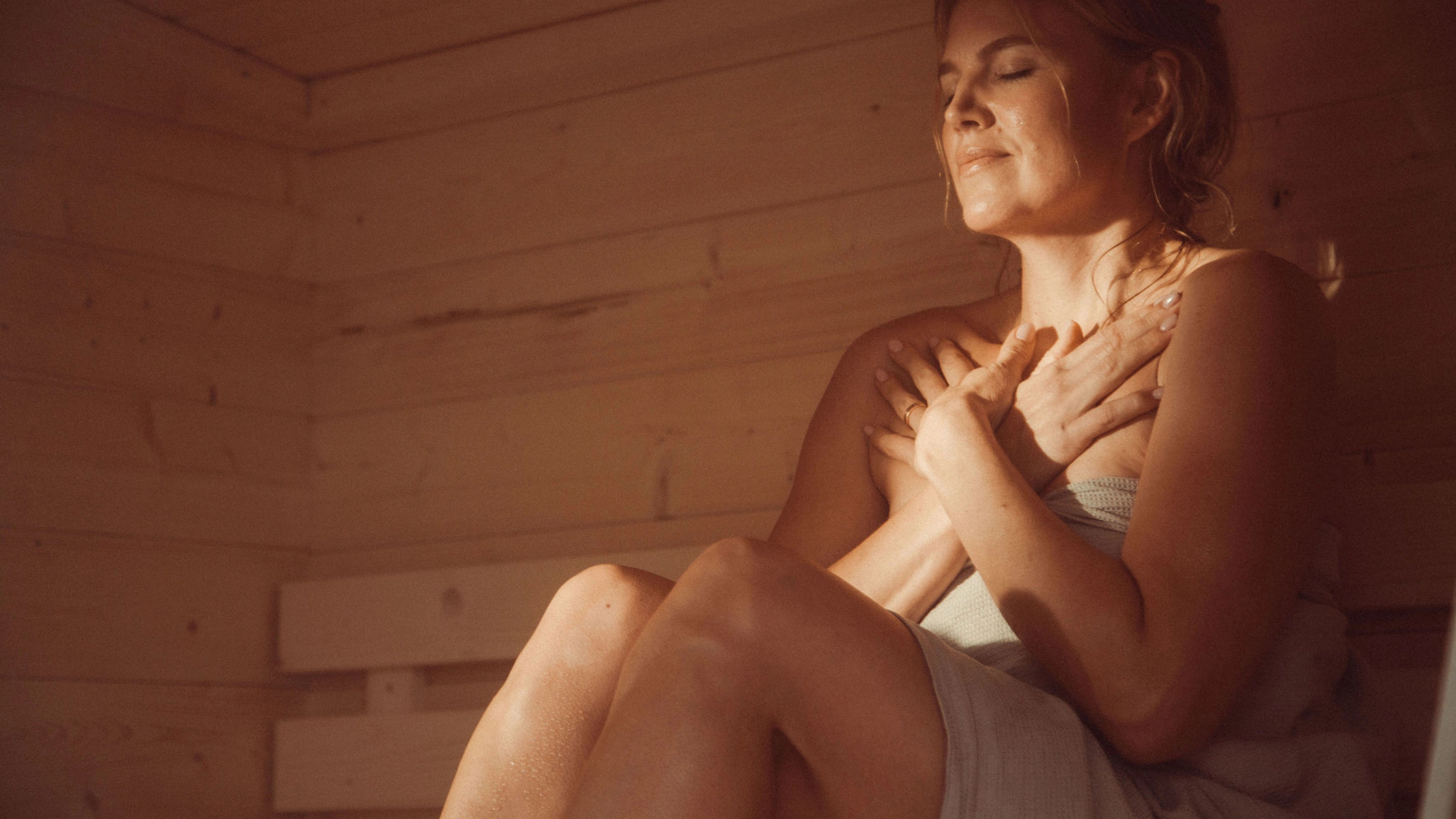
Recognized for her research on balancing the “love hormones” — dopamine, serotonin, and oxytocin — Dr. Emilia believes the sauna “is a gateway to deep healing and self-love.” Heat and quiet coax these feel-good chemicals into harmony, something that’s needed for sustainable well-being. Each of these hormones plays a different role in the body’s stress and pleasure systems:
Dopamine is responsible for driving motivation and reward. “Every step we take is driven by dopamine, whether it’s our first cup of coffee in the morning or how we work towards a goal”. But it can also be addictive. Dr. Emilia explains how the sauna helps reset dopamine naturally, avoiding the crash that comes from overstimulation (from things like shopping, scrolling, or alcohol). The sauna helps us connect with our dopamine system in a deeper way: “It’s one of the few places where we have time to pause and ask ‘whose path am I walking?’, and listen to our own thoughts”. By taking steps towards our own purpose, we allow dopamine to flow more sustainably.
Dr. Emilia believes we should look beyond quick fixes that boost serotonin, such as food or supplements. Instead, we should support the ways our bodies naturally produce serotonin. “Our serotonin system won’t work sustainably until we have a sense of inner safety and have addressed the traumas and limiting beliefs that block the sustainable flow of serotonin”, says Dr. Emilia. While more research is needed, Emilia says the saunas’ warmth and quiet trigger the body’s safety cues, enhancing this neurochemical balance.
Heat affects oxytocin levels, the hormone responsible for trust and connection. “The sauna is a great way to open up and have conversations you wouldn’t normally have”, says Dr. Emilia. “I believe it’s due to the combination of neurochemicals and hormones that help you heal”. Finns have always been drawn to the sauna as a way to support bonding. Emilia highlights how Finnish leaders have historically sealed political deals in the sauna. “Couples can sauna as a ritual for connecting”, says Emilia, laughing as she recounts the saying, “Couples who sweat together, stay together.”
Embrace the moments after sauna, because that’s where the magic happens. It’s the moment when you sit outside and stare at the open landscape. It helps to relax the nervous system. Take the time to integrate that experience, instead of rushing into the next thing.

When asked about her personal sauna ritual, Dr. Emilia describes the experience of using her wood-heated sauna at her summer cottage in Finland. “There’s a special feeling of satisfaction that comes with lighting the fire in my wood-heated sauna”. Seeing the fire catch and hearing it crackle — it feels like a primal signal to rest. Once the sauna is hot, she prepares for her session:
Shower beforehand to moisten the skin.
Keep hair dry to avoid overheating, as wet hair heats up quickly.
Wait at least 2 hours after eating. Dr. Emilia explains that after a meal, “your blood is in your digestive system, which can make you nauseous or dizzy during a sauna.”
Practice “löyly”— this is the act of throwing water on the stones, which Emilia describes as the spirit of the sauna. “I feel that the steam helps me melt in with the heat”.
Lie down with your hands and feet up:The palms and soles of your feet have special veins that quickly release heat and also help to warm you, explains Dr. Emilia. “It’s also great for the circulation and for your heart”.
Listen to your body rather than fixating on time or temperature: “The sauna should feel comfortably uncomfortable”—brief discomfort leads to endorphin release and calm.
Take a cold shower or cold plunge between sessions.
Pair sauna with breathwork. Different types of breathwork can help inner connection and stimulate your parasympathetic system.
Enjoy an evening stretch: Stretching in the sauna while your muscles are warm feels great. “You feel more flexible, almost like hot yoga”, says Dr. Emilia.
Sit outside. Emilia widens her gaze to the distant nature, letting her body cool and her nervous system settle.
Avoid phones or screens, which “narrows vision and activates stress”, says Dr. Emilia.
Hydrate and replenish: Emilia doesn’t drink alcohol before or during the sauna. She prefers drinking water with added minerals, such as magnesium.
Choose a sauna that looks beautiful for you, because aesthetics are also important. Of course, I’d choose a sauna manufacturer that is well-respected because those saunas last for a long time.

For beginners, Dr. Emilia says the most important thing is to make the sauna your sanctuary—whatever that means to you. “If you’re a person who likes to count minutes and check temperatures, then go for it. Otherwise, you can just let go and focus on listening to your body”. Here are some more tips for beginners:
Start small. Short sessions at a moderate heat can help to build positive associations with the sauna. Try starting with one session a week.
Listen to your intuition. There is no universal rule for duration or temperature. If you feel like it’s getting too much, it’s time to step out. Allow “micro-stress” but not pain. Sauna should challenge you gently. This mild stress is what scientists call ‘hormetic stress’—a little challenge that makes the body stronger.
Hydrate before and after. Adding minerals like magnesium can support recovery and sleep by relaxing your nervous system.
Try some essential oils to lift your mood or aid sleep. “The smell goes straight to our limbic system, so it’s a great way to affect our mood”, says Dr. Emilia.
Sauna 2 hours before bed for better sleep. “After sauna, our body starts to cool itself down, which is a signal to our brain that it's time to go to sleep.”, says Dr. Emilia. This can make it easier to fall asleep while enhancing sleep quality. A study showed that during the first two hours, the amount of deep sleep increased by over 70%.
Rest and reflect after sauna. Dr. Emilia says you should avoid rushing back into stimulation.
I’ve calculated that I have spent 5000 minutes in the sauna before I was born.
Hormetic stress is the idea that small, controlled doses of stress can have positive effects on the body. Examples include exercise, fasting, cold exposure, or heat therapy. These mild stressors trigger cellular repair and adaptation mechanisms, helping the body become stronger and more resilient over time.
When stress is excessive or prolonged, however, it shifts from being beneficial to harmful. Hormetic stress depends on finding the right balance — enough to stimulate growth and adaptation, but not enough to cause damage.
The sex hormones — estradiol, progesterone, and testosterone — share the same origin as cortisol: cholesterol. This is why chronic stress can deplete sex hormone production. Women become more stress-sensitive after age 35 as progesterone starts to drop more easily and oestrogen levels start to fluctuate. Stress can further disrupt the hormone balance, explains Dr. Emilia. That’s why the sauna is such a great gift. After each session allows the body gets to spend time in the parasympathetic “rest, digest, and repair” mode. While research is still emerging, Dr. Emilia sees sauna as a gentle ally for hormonal harmony in perimenopause and beyond.
Letting go vs. optimization? We’re addicted to doing, whereas the sauna teaches us to just be, says Dr. Emilia. The secret, she explains, isn’t in temperature or timing—it’s in presence. If we start to optimize it, the sauna can also become a source of stress in itself. “That’s not the point”, says Dr. Emilia. “The sauna is about letting go, not hacking”. The real healing happens when you trust your body’s wisdom. Sauna isn’t a productivity tool but a ritual of surrender and a place to tune in to yourself. It’s about presence, warmth, and connection.



Get exclusive news and inspiring stories straight to your inbox